
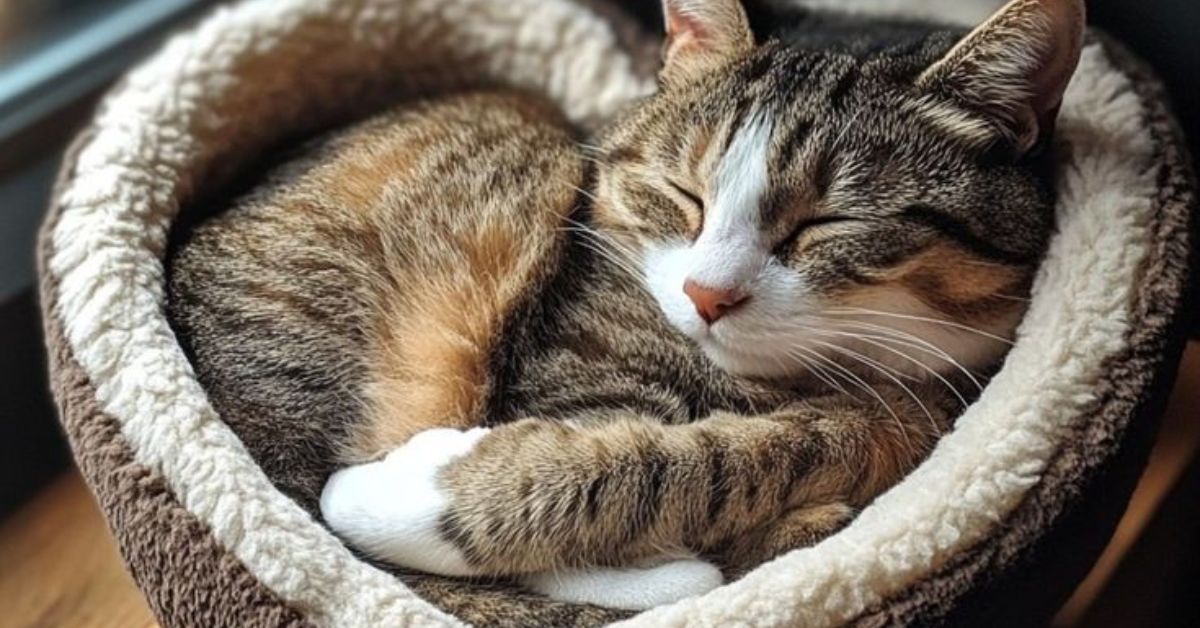
Why do cats sleep so much? If you have watched your furry friend nap for the tenth time today and wondered, “Is something wrong?” you are not alone. Most new cat owners feel concerned when they see their feline companion sleeping up to 16 hours each day.
The short answer is nature. Cats are born predators, and their bodies need deep rest to stay ready for action. But there is more to the story than just energy conservation.
In this guide, I will explain the real reasons behind your cat’s sleepy lifestyle. You will learn about their wild ancestors, their unique sleep cycle, and how to tell normal napping from a health warning sign.
Let’s dive into the cozy world of feline rest.
The Simple Answer| Cats Are Crepuscular Creatures
Most people think cats are nocturnal. That is a common myth. Cats are actually crepuscular. This means they stay most active during dawn and dusk.
Why does this matter? Because their natural schedule does not match ours. While you sleep soundly from 10 PM to 6 AM, your cat may take short naps and stay alert. Then, during the middle of the day, they crash hard.
This brings us back to the main question: why do cats sleep so much during daylight hours? They rest deeply because their bodies prepare for the high-energy twilight hours. In the wild, dawn and dusk offer the best hunting cover. Low light helps predators sneak up on small prey.
Your house cat still carries those ancient instincts. Even with a full food bowl, their internal clock tells them to conserve energy for hunting time.
The Science Behind Feline Sleep Patterns
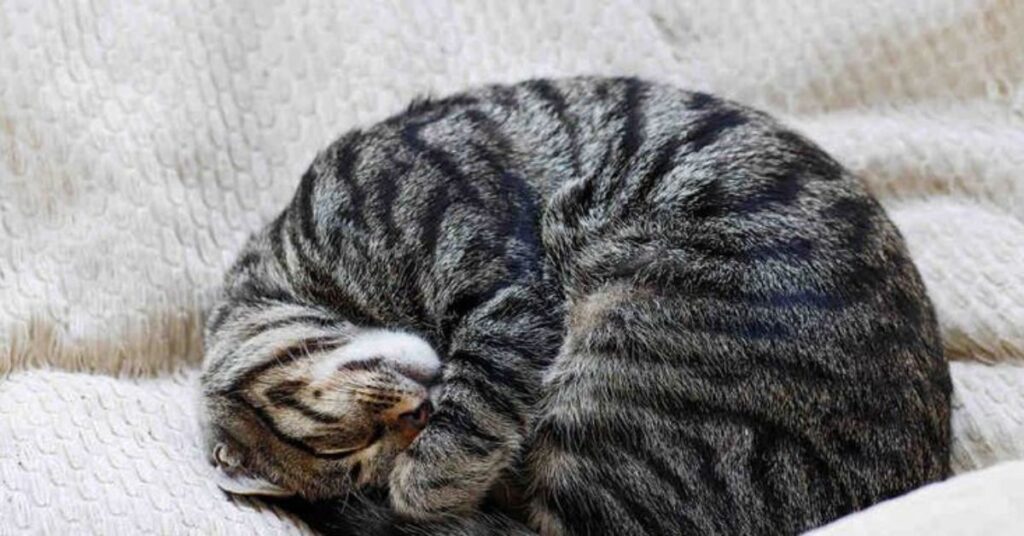
Cats Experience Two Types of Sleep
Like humans, cats cycle through two main sleep stages:
- Slow-wave sleep (SWS): Light, dozing stage. Your cat rests but wakes up quickly. You will notice their ears still twitch toward sounds.
- Rapid eye movement (REM) sleep: Deep sleep. This is when dreaming happens. You may see paw twitches, tail flicks, or tiny meows.
Cats alternate between these stages in short bursts. A full sleep cycle lasts only about 15–30 minutes. For comparison, a human cycle runs about 90 minutes.
Because their cycles are so short, cats wake up frequently. Then they fall back asleep again. This is why your cat seems to nap constantly.
Only 25% of Sleep Is Deep Sleep
Here is a surprising fact: cats spend only about one-quarter of their total sleep time in deep REM sleep. The rest is light dozing.
Why? Survival. In the wild, a deeply sleeping cat makes an easy meal. So their bodies evolved to stay semi-alert. Even when your cat looks completely passed out, part of their brain still listens for danger.
This light sleeping habit explains why do cats sleep so much overall. They need more total hours to get the same amount of deep rest that humans achieve in 8 hours.
How Many Hours Do Cats Really Sleep?
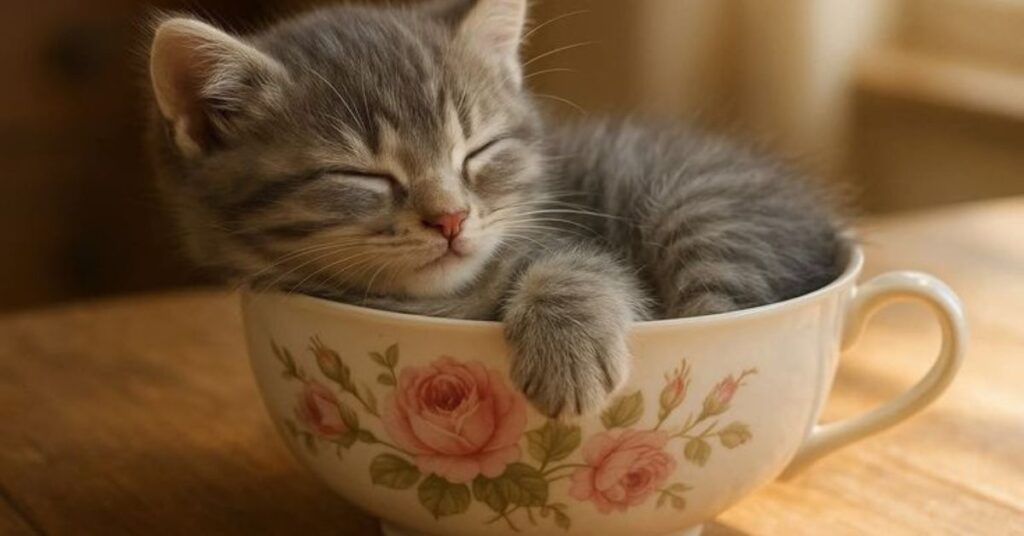
Age plays a huge role in feline sleep needs. Here is a simple breakdown:
| Cat Age | Average Sleep Per Day | Notes |
| Newborn kittens (0–2 weeks) | 22+ hours | Sleep supports rapid growth |
| Kittens (3 months–1 year) | 16–20 hours | Energy stored for play and learning |
| Adult cats (1–10 years) | 12–16 hours | Active periods increase |
| Senior cats (10+ years) | 16–20 hours | Older bodies need more rest |
As you can see, cats sleep a lot at every life stage. But senior cats and kittens top the charts.
If your adult cat sleeps more than 18 hours daily without an obvious reason, consider a vet check. Otherwise, 12–16 hours is perfectly normal.
Top 7 Reasons Why Cats Sleep So Much
Let me break down the specific causes behind excessive cat sleeping (when it is normal and healthy).
1. Energy Conservation for Hunting
Your cat’s body runs on a predator’s design. In the wild, a single hunting attempt burns huge energy. Cats stalk, sprint, pounce, and wrestle. Then they eat and rest.
Even though your cat eats kibble from a bowl, their metabolism has not changed. They still store energy in short, powerful bursts followed by long recovery naps.
2. Their Unique Sleep Cycle (Polyphasic Sleep)
Humans are monophasic sleepers. We sleep once per day. Cats are polyphasic sleepers. They sleep in many short sessions across 24 hours.
This means your cat never truly “sleeps through the night.” They take multiple cat naps (the term actually comes from them). Each nap refreshes them, so they rarely need one long sleep period.
3. Boredom or Lack of Stimulation
Here is a less natural reason: your cat may sleep because they have nothing better to do. Indoor cats without enough toys, climbing space, or playtime often sleep extra hours out of sheer boredom.
If your cat sleeps 18+ hours and shows little interest in playing, try adding more enrichment. Puzzle feeders, window perches, and 15-minute play sessions twice daily can reduce lazy sleeping.
4. Weather and Temperature
Cats love warmth. On cold or rainy days, your cat will curl up and sleep more. This conserves body heat and energy. On very hot days, they also sleep more to avoid overheating.
You may notice seasonal changes in your cat’s sleep. Longer winter naps are normal. But sudden changes in sleeping habits (regardless of weather) deserve attention.
5. Post-Meal Rest
Ever feel sleepy after a big meal? So does your cat. Digestion requires energy. After eating, blood flow shifts toward the stomach and away from the brain. This triggers drowsiness.
Your cat will often eat, groom, then find a sunny spot for a long nap. This is a healthy, natural rhythm.
6. Growth and Healing
Kittens sleep so much because their bodies release growth hormones during deep sleep. Adult cats also need extra rest after illness, injury, or surgery. Sleep accelerates tissue repair and strengthens the immune system.
If your cat recently recovered from a cold or a small wound, do not worry about extra sleep. Their body knows what it needs.
7. Age-Related Changes
Senior cats slow down. Their joints may ache. Their senses dull. Sleeping more becomes a comfortable way to pass the time. However, if an older cat suddenly sleeps far more than usual (or cannot wake up easily), consult your veterinarian.
When Should You Worry About Your Cat’s Sleeping?
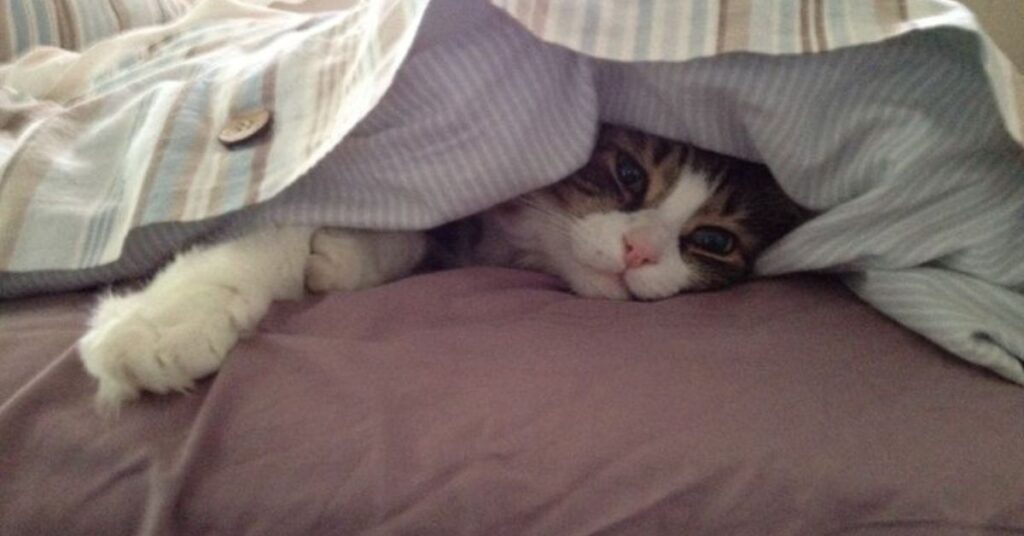
Now for the serious part. Sometimes feline sleep patterns change for medical reasons. Here is how to tell normal sleep from a red flag.
Normal Sleep Signs:
- Wakes up easily when you open a can of food
- Sleeps in different positions and locations
- Still plays, eats, drinks, and uses the litter box
- Shows alertness during dawn and dusk
Warning Signs (See a Vet):
- Sleeping more than 20 hours daily for several days
- Difficulty waking up (lethargy, not just deep sleep)
- Hiding while sleeping (unusual for your cat)
- Sleeping next to the water bowl constantly
- Changes in appetite (eating much more or less)
- Sleeping with a tense, hunched posture
Why do cats sleep so much when sick? Illness forces the body to redirect energy toward healing. Conditions like diabetes, kidney disease, hyperthyroidism, arthritis, or infections all increase sleep needs. But the difference is that sick cats also show other symptoms.
Trust your gut. If your cat’s sleeping habits change suddenly and stay changed for more than 48 hours, call your vet.
How to Support Healthy Sleep for Your Cat
You do not need to “fix” your cat’s sleep. Most cats regulate themselves perfectly. But you can create an environment that promotes healthy rest.
Provide Multiple Sleep Spots
Cats love choices. Offer:
- A high perch (cat tree or shelf)
- A hidden cave (covered bed or box)
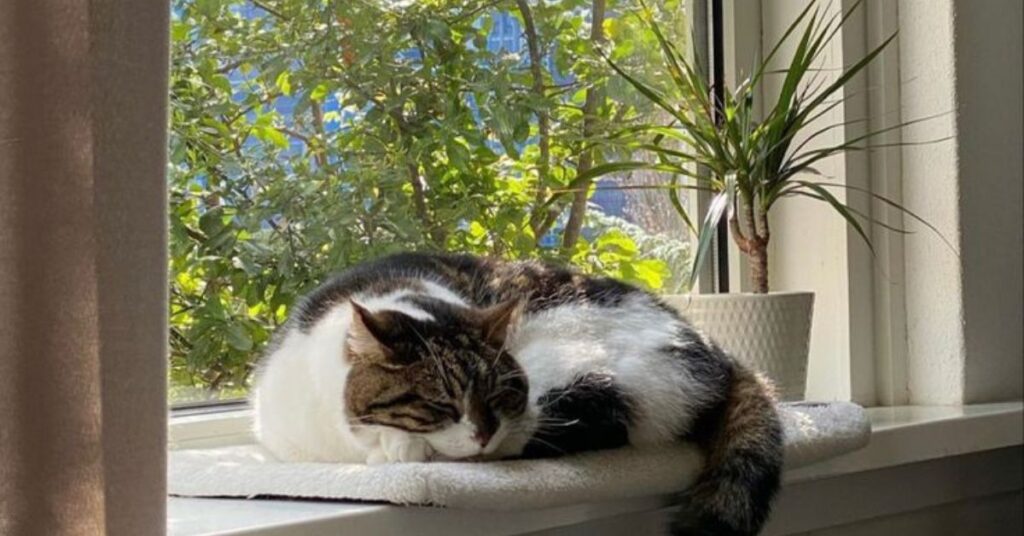
- A warm sunny spot (near a window)
- A cozy human bed or couch
Stick to a Routine
Cats thrive on predictability. Feed them at the same times each day. Play with them before meals. This mimics the natural hunt-eat-sleep cycle and reduces stress-related sleeping.
Encourage Active Play
Wake your cat up for fun. Use wand toys, laser pointers (end on a physical toy), and treat puzzles. A tired cat sleeps well, but a bored cat sleeps too much.
Respect Their Crepuscular Nature
Do not force your cat to stay awake during the day. Instead, schedule play sessions at dawn and dusk. This satisfies their natural instincts and reduces midnight zoomies.
Frequently Asked Questions
1. Is it normal for my cat to sleep 20 hours a day?
For kittens and senior cats, yes. For healthy adults ages 1–10, 20 hours is higher than average. If your adult cat sleeps 20 hours daily for more than a few days, look for other symptoms like reduced appetite or hiding. When in doubt, ask your vet.
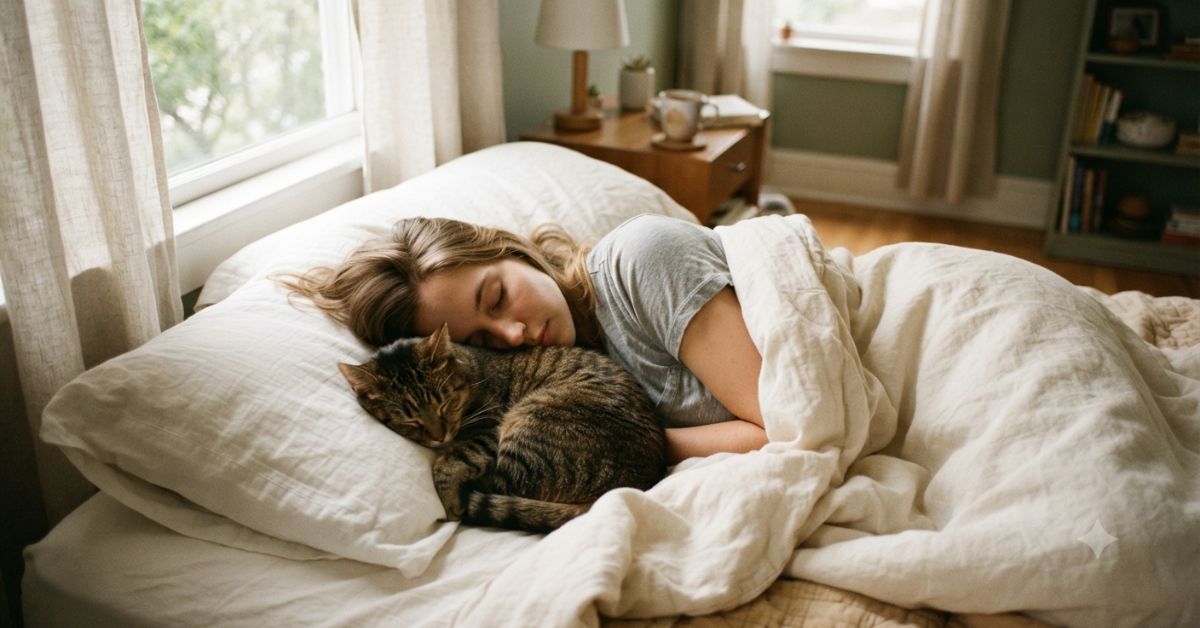
2. Why does my cat sleep on my head or chest?
Your cat seeks warmth, safety, and your scent. Sleeping on your head or chest places them close to your breathing and heartbeat. This comforts them and reminds them of being a kitten near their mother. It is a sign of deep trust.
3. Do cats dream?
Yes. Cats enter REM sleep, where dreaming occurs. You may see their paws, whiskers, or tail twitch. Some cats make soft chirping sounds. They likely dream about hunting, playing, or running. Do not wake a dreaming cat—they may startle and scratch.
4. Should I wake my cat to play?
No. Never wake a sleeping cat unless a medical emergency requires it. Cats need uninterrupted rest to complete their REM cycles. Waking them causes disorientation and stress. Let sleeping cats lie.
5. Why does my cat sleep all day but stay awake all night?
This happens when a cat has no daytime stimulation. They sleep all day out of boredom, then feel energetic at night. Fix this by adding daytime play sessions, puzzle feeders, and window views. Over a few weeks, you can shift their active periods closer to yours.
6. Can depression cause a cat to sleep more?
Yes. Cats experience depression after major changes like moving homes, losing a companion, or changing owners. Depressed cats often sleep excessively, hide, and lose interest in food or play. If you suspect depression, provide extra attention, calming pheromone diffusers, and consult your vet.
Conclusion
So now you know the full answer to why do cats sleep so much. This behavior is not laziness. Nor is it sickness (most of the time). Instead, think of it as millions of years of evolution wrapped in a furry, purring package.
Your cat sleeps heavily because their ancestors were hunters. They sleep lightly because their ancestors were also prey. They nap at noon so they can chase imaginary mice at sunrise.
Stop worrying about the hours. Start watching the quality. A happy cat sleeps deeply, wakes easily, plays eagerly, and loves warmly.
Give your cat cozy beds, regular play, and routine meals. Respect their naps. And next time you see them sprawled upside down on the carpet, smile. They are not broken. They are just being a cat.

Ayesha Javed — Passionate writer sharing informative, engaging, and easy-to-read articles across different topics. Focused on delivering valuable content that helps readers learn, explore, and stay inspired every day.
Leave a Reply