
Introduction
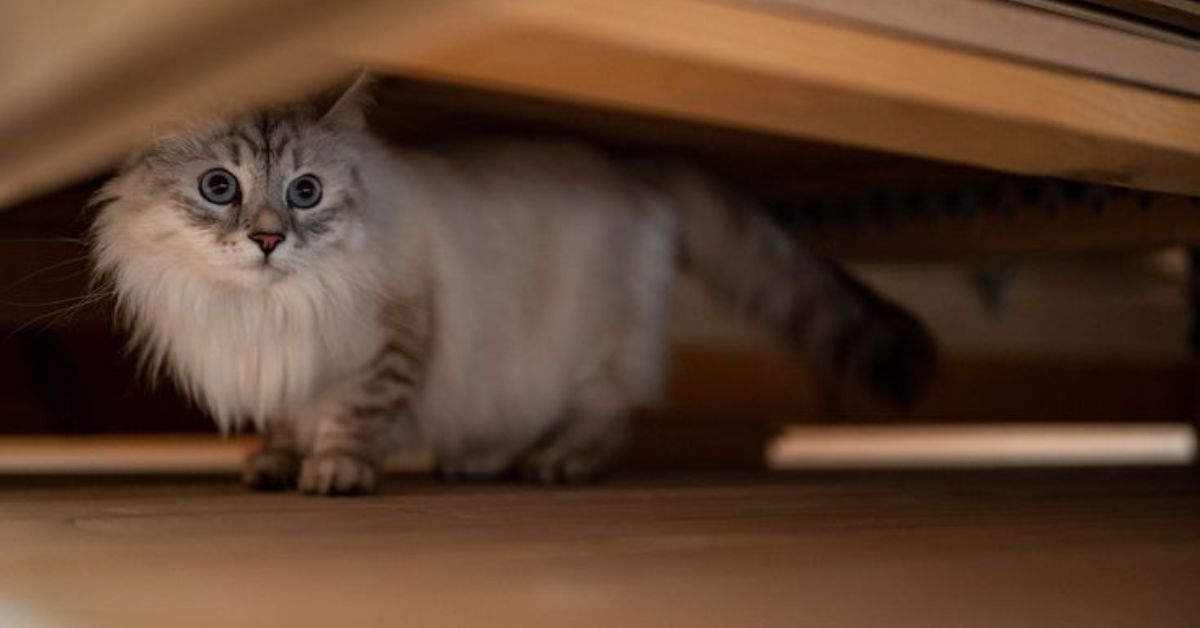
Does your cat jump at the hum of the vacuum cleaner? Does she bolt under the bed when you drop a spoon? You are not alone. Many cat owners watch their feline friends panic over noises we barely notice. A cat scared of everyday sounds lives in a state of quiet fear. This reaction is not “bad behavior.” It is a natural survival instinct.
Cats hear a much wider range of frequencies than humans do. A sound that seems soft to you can feel painfully loud to your cat. Over time, this fear can grow. Your cat might start hiding more often or refusing to enter certain rooms. The good news is that you can help. With patience, knowledge, and the right techniques, you can turn your anxious cat into a calmer, more confident companion.
In this guide, we will explore why your cat reacts so strongly to daily noises. We will also share step-by-step strategies to reduce noise phobia in cats. Let us begin.
Why Is My Cat Scared of Everyday Sounds?
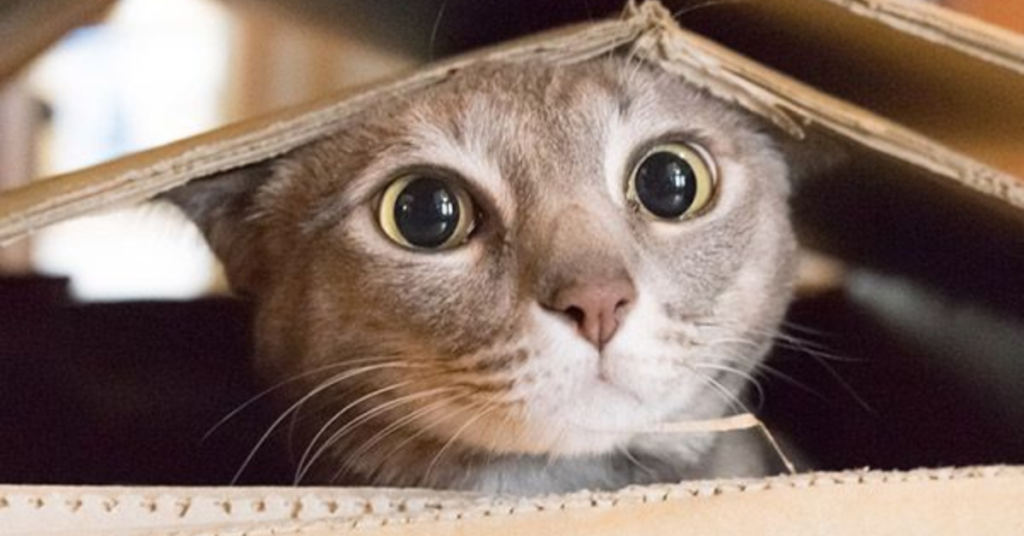
To solve a problem, you must first understand its roots. A cat scared of everyday sounds does not behave this way to annoy you. Biology and past experiences drive this fear.
1. Super Hearing Is a Double-Edged Sword
Your cat’s ears act like tiny satellites. Cats can detect sounds ranging from 48 Hz up to 85 kHz. This means your cat detects ultrasonic sounds you will never notice. The flicker of a fluorescent light, the buzz from a phone charger, or the squeak of a mouse behind a wall all register clearly.
When a sudden loud noise fear kicks in, your cat experiences genuine sensory overload. Imagine someone blowing an airhorn next to your ear without warning. That is how your cat feels when you turn on the blender.
2. Lack of Early Socialization
Kittens go through a critical socialization window between two and seven weeks of age. During this time, they learn which sounds are safe. A kitten who never hears household appliances, traffic, or doorbells may grow into an adult cat startled by noises frequently.
3. Negative Past Experiences
Rescue cats often carry hidden trauma. A cat scared of everyday sounds may associate a specific noise with a painful memory. For example, a slammed door might remind her of being abandoned. The clang of a metal bowl could connect to a time she went hungry.
4. Pain or Illness
Sometimes, feline sound sensitivity increases because your cat does not feel well. Dental pain, arthritis, or ear infections make cats more irritable and reactive. A generally tolerant cat who suddenly fears noises needs a veterinary checkup first.
5. Aging and Cognitive Decline
Senior cats suffer from feline cognitive dysfunction (similar to dementia in humans). This condition reduces their ability to filter out unimportant background noise. As a result, common noises cats hate can trigger confusion and panic in older felines.
Which Everyday Sounds Scare Cats the Most?
Let us look at the top offenders. You’ll probably recognize quite a few of these.
| Sound Category | Specific Examples | Why Cats Fear It |
| Household Appliances | Vacuum cleaner, blender, hair dryer, washing machine | Deep, rumbling vibrations and unpredictable pitch |
| Sudden Impact Noises | Slamming doors, dropping dishes, hammering | Startling reflex; no time to prepare |
| High-Frequency Noises | Smoke alarm, tea kettle, electronic squealing | Overlaps with prey distress and pain signals |
| Outdoor Sounds | Fireworks, thunder, construction, garbage trucks | Unpredictable timing and intense volume |
| Human-Related Noises | Sneezes, coughs, arguments, loud laughter | Cats associate loud human voices with danger |
Each of these noise phobia in cats triggers works differently. Some sounds produce vibrations through the floor (like a washing machine spin cycle). Others pierce the air without warning (like a dropped pan). Your cat cannot tell the difference between a real threat and a harmless appliance. In her mind, every loud noise signals a potential predator or collapsing structure.
Signs Your Cat Is Afraid of Noises (Beyond Hiding)
Many owners miss subtle fear signals. A cat scared of everyday sounds does not always run away. Watch for these quieter signs of distress.
- Dilated pupils even in bright rooms
- Ears flattened sideways or backward (airplane ears)
- Tail tucked tightly against the body
- Crouched posture with trembling muscles
- Excessive grooming after a loud noise occurs
- Sudden aggression when you try to comfort her
- Loss of appetite following a scary event
- Inappropriate urination near the sound source
If you notice these signs regularly, your cat likely suffers from sound aversion in cats. Do not punish the behavior. Punishment only confirms to your cat that the environment is dangerous.
How to Help a Cat Scared of Everyday Sounds (Step-by-Step)
You can reduce your cat’s fear. These practical methods work for mild to moderate cases. For severe phobias, combine these steps with guidance from a veterinarian or animal behaviorist.
Create a Sound-Safe Home Environment

Start by changing your home. Make it a haven where your cat feels protected.
Build “Safe Zones” in Every Room
Place a cat tree, covered bed, or cardboard box in each room your cat uses. Ensure these hiding spots face away from windows and doors. Your cat needs a place where she can retreat without feeling trapped.
Muffle Sound with Soft Surfaces
Hard floors reflect noise. Add rugs, carpets, and foam mats to dampen footsteps and impact sounds. Hang heavy curtains on windows to block outdoor noise. Place felt pads under appliance feet to reduce vibrations.
Use White Noise or Cat Music
Soft background noise masks sudden scary sounds. Try:
- A white noise machine set to a low hum
- Classical music (research shows cats prefer it)
- “Music for cats” playlists (high in harp and purring frequencies)
- An aquarium air pump (gentle bubbling sound)
Do not use talk radio or news channels. Human speech with emotional shifts can increase anxiety.
Change How You Introduce Noises
Your daily routine creates many fear moments. Small changes make a huge difference.
Announce Noises Before They Happen
Give your cat a verbal warning. Say “Vacuum time, kitty” in a calm, happy voice before switching the machine on. This pre-warning reduces the startle effect. Over time, your cat learns that certain words predict noise. She can then prepare or move to her safe zone.
Pair Scary Sounds with High-Value Treats
This is desensitizing cat to noise in action. Follow these steps:
- Start with the sound at a very low volume (use a recording if possible).
- Give your cat her favorite treat (plain cooked chicken or tuna).
- Stop the sound before she shows fear.
- Repeat daily, slowly increasing volume over two to three weeks.
Never rush this process. If your cat hides, the volume is too high. Go back to a quieter level.
Avoid Flooding (Do Not Force Exposure)
Flooding means exposing your cat to the full scary sound until she gives up. This method fails with cats. It creates learned helplessness, not courage. Always let your cat leave the area when she wants. Provide open escape routes.
Help Your Cat During Real-Life Noise Events
Even with training, unexpected loud noises will happen. Use these crisis tools.
Table: Quick Actions During Scary Sounds
| What Happens | What You Should Do | What NOT to Do |
| Fireworks start outside | Close windows, turn on white noise, close curtains | Pick up your cat and hold her tightly |
| You drop a heavy pan | Ignore the mistake, speak in a soft voice, toss a treat | Yell “Sorry!” or rush toward your cat |
| Doorbell rings suddenly | Stay calm, walk slowly to the door, drop treats on floor | Grab your cat to “protect” her |
| Thunderstorm begins | Act normal, play with a wand toy, offer a puzzle feeder | Change your routine or act worried |
Your anxious cat sounds response matters. Cats read your body language. If you flinch, they flinch harder. If you remain relaxed, they eventually mirror you.
Long-Term Training for Sound Aversion in Cats

These advanced methods create permanent change. Practice them every day for five to ten minutes.
Clicker Training for Noise Confidence
A clicker marks exactly which behavior earns a reward. Follow this protocol:
- Step 1: Charge the clicker (click → treat) for two days without noise.
- Step 2: Play a low-level scary sound (e.g., recording of a blender).
- Step 3: The moment your cat does not react, click and treat.
- Step 4: Gradually raise the volume over several weeks.
Your cat learns that “quiet and relaxed during sound” produces chicken. Soon, she will actively ignore noises to earn treats.
Food Puzzles During Scary Times
An engaged brain cannot panic at the same time. When you plan to vacuum or use the blender, give your cat a frozen lick mat or snuffle mat. The act of working for food releases calming hormones (serotonin). Over time, your cat starts to associate loud noises with yummy puzzles.
Calming Aids (Evidence-Based Options)
These products do not replace training, but they lower your cat’s baseline stress.
- Feliway diffusers – release synthetic happy cat pheromones
- Zylkene capsules – contain casein (a milk protein with calming effects)
- Purina Calming Care – probiotic proven to reduce stress behaviors
- ThunderShirt for cats – gentle pressure that mimics swaddling
Always introduce calming aids before a stressful noise event, not during.
When to See the Vet for a Cat Scared of Everyday Sounds

Most feline sound sensitivity cases improve with home management. However, some situations require professional help.
Visit your veterinarian if:
- Your cat injures herself while fleeing (scraped paws, broken nails)
- She refuses to eat for more than 24 hours after a noise event
- Fear-based aggression harms another pet or person
- You find blood in her urine (stress-induced cystitis)
- Hiding lasts longer than a week without improvement
Your vet may prescribe short-term anti-anxiety medication (like gabapentin or trazodone) for predictable noise events. Do not view medication as failure. Think of it as a cast for a broken leg. It stabilizes your cat while behavioral training heals the root cause.
FAQs
1. Can my cat grow out of being scared of everyday sounds?
No. A cat scared of everyday sounds will not outgrow this fear without help. In fact, repeated scary experiences make the problem worse over time. Active training and environmental changes are necessary for improvement.
2. Should I comfort my cat when she is scared of a noise?
Yes, but do it the right way. Speak softly and toss a treat near her hiding spot. Do not pull her out or force physical contact. Let her decide when to accept comfort. Calm, quiet reassurance works better than enthusiastic petting.
3. Why is my cat scared of sounds that never bothered her before?
Sudden onset of noise phobia in cats often signals an underlying medical issue. Causes include dental pain, arthritis, high blood pressure, or hyperthyroidism. Schedule a veterinary examination before assuming it is purely behavioral.
4. Do certain cat breeds handle loud noises better?
Yes. Breeds like Maine Coons, Ragdolls, and British Shorthairs tend to have calmer temperaments around noise. However, even these breeds can develop sound aversion in cats without proper socialization. Siamese and other vocal breeds often react more intensely.
5. Will getting a second cat help my noise-fearful cat?
Sometimes. A confident, calm second cat can model relaxed behavior. However, a second anxious cat sounds problems double your work. Choose a friendly, outgoing adult cat as a companion. Avoid kittens, as their unpredictable energy can increase stress.
6. How long does it take to desensitize a cat to scary noises?
Expect three to six months of consistent daily work for noticeable improvement. Severe cases of cat scared of everyday sounds may take a year or longer. Celebrate small wins. A cat who only hides for five minutes instead of thirty minutes is progress.
Conclusion
Living with a cat scared of everyday sounds challenges your patience and empathy. You might feel frustrated when she hides during a simple cooking session. But remember: your cat does not choose fear. Fear chooses her.
You now have a complete toolkit to help her. Start by creating safe hiding spots in every room. Reduce background noise with rugs and white noise. Practice desensitizing cat to noise with treats and low-volume sound recordings. Always respect her need to retreat. And when progress feels slow, remind yourself that even one less frightened run to the closet is a victory.
Your cat trusts you to protect her from threats. By teaching her that most everyday sounds are harmless, you strengthen that trust. Take the first step today. Pick one small sound like the crinkle of a treat bag and pair it with joy. Your calmer, braver cat waits on the other side of your consistency.

Ayesha Javed — Passionate writer sharing informative, engaging, and easy-to-read articles across different topics. Focused on delivering valuable content that helps readers learn, explore, and stay inspired every day.


Leave a Reply